

 See My Latest Article on HelloNation
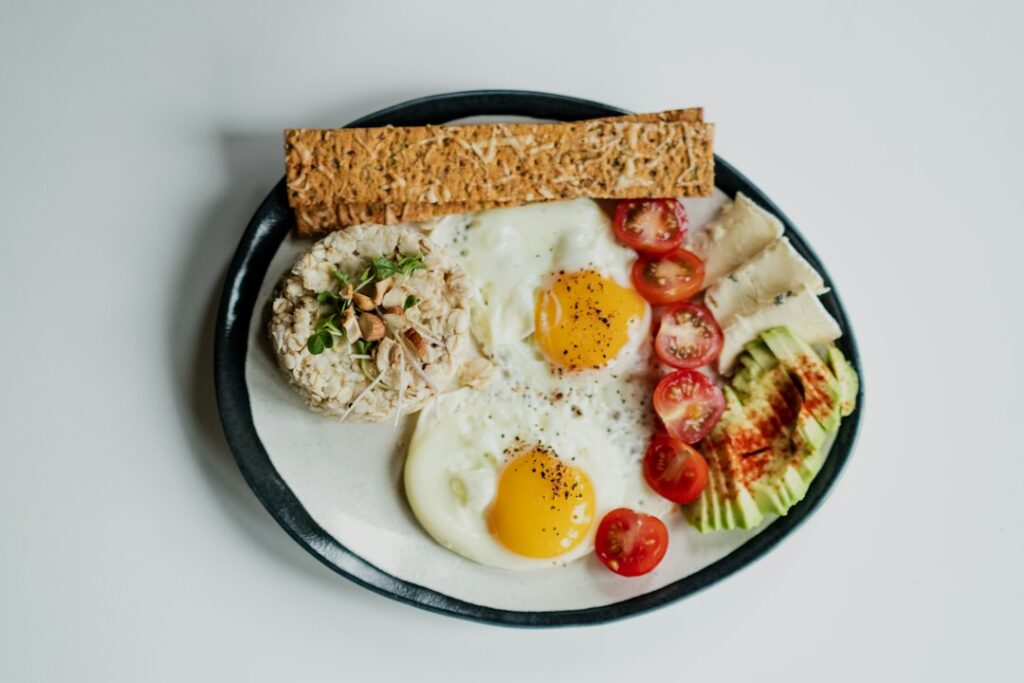
Building muscle depends on more than lifting consistently. The body also needs enough energy, protein, carbohydrates, fluids, and recovery time to repair training-related damage and create new muscle tissue. For residents balancing work, family schedules, heat, and active routines, a practical eating pattern is usually more effective than an extreme diet.
How many calories are needed to gain muscle?
Muscle gain generally requires a modest calorie surplus, meaning slightly more energy is consumed than the body uses. A reasonable starting point is about 200 to 300 extra calories per day, followed by adjustments based on body weight, gym performance, recovery, and waist measurements.
A surplus that is too large can add unnecessary body fat. A surplus that is too small may not provide enough energy for progressive training. A useful pace for many adults is gaining approximately 0.25% to 0.5% of body weight per week, although individual results vary.
Track progress over several weeks rather than reacting to one morning’s scale reading. Body weight can shift because of hydration, sodium, carbohydrate intake, digestive contents, and sweating. If weight is not increasing after two or three weeks and strength is stagnant, adding another small serving of food may help.
How much protein supports muscle growth?
Most people training for muscle gain can aim for approximately 1.6 to 2.2 grams of protein per kilogram of body weight each day. For someone weighing 180 pounds, that equals roughly 130 to 180 grams daily.
Protein works best when spread across the day instead of consumed almost entirely in one meal. Four meals containing 25 to 45 grams each can be easier to manage than trying to eat a large amount at dinner.
Useful protein choices include:
- Eggs and egg whites
- Chicken, turkey, lean beef, and fish
- Greek yogurt, cottage cheese, and milk
- Tofu, tempeh, beans, and lentils
- Protein powder when regular food is inconvenient
A post-workout protein meal is helpful, but there is no need to consume it within a narrowly defined “anabolic window.” Total daily protein and adequate calories matter more than rushing to eat immediately after the final set.
Why are carbohydrates important for bodybuilding?
Carbohydrates provide energy for demanding resistance training and help replenish muscle glycogen, the stored fuel used during exercise. Cutting carbohydrates too aggressively can make workouts feel harder, reduce training volume, and interfere with recovery.
Good everyday choices include rice, oats, potatoes, fruit, whole-grain bread, pasta, beans, and corn. A meal two to three hours before training might include rice, lean protein, vegetables, and fruit. If eating closer to the workout, a smaller option such as yogurt with fruit, toast with eggs, or a banana with a protein drink may be more comfortable.
Carbohydrate needs depend on body size, training volume, and overall calorie intake. People completing long or high-volume sessions usually need more than those performing short workouts several times per week.
What role do dietary fats play?
Dietary fat supports hormone production, cell function, absorption of certain vitamins, and overall energy intake. It should not be removed from a muscle-building diet.
Include foods such as avocado, olive oil, nuts, seeds, salmon, eggs, and dairy products. Because fat is calorie-dense, large portions can increase calories quickly. Measuring oils, nut butters, and snacks for a short period can help identify how much is actually being consumed.
A balanced eating pattern often works better than dividing foods into “clean” and “unclean” categories. Consistency, adequate nutrients, and reasonable portions are more useful than rigid food rules.
How should hydration be handled in Miami?
Heat and humidity can increase fluid losses during outdoor activity and workouts in poorly ventilated spaces. Dehydration may reduce exercise quality, increase perceived fatigue, and make recovery more difficult.
Drink regularly throughout the day rather than waiting until intense thirst develops. Urine color can provide a rough hydration check, although it is affected by supplements, medications, and some foods. People who sweat heavily may also lose sodium and other electrolytes, especially during long sessions or outdoor training.
Water is sufficient for many ordinary workouts. Electrolyte-containing drinks or foods may be useful during prolonged, highly sweaty activity, but they are not automatically necessary for every gym session. Sugary beverages can also add calories without providing much nutritional value.
What should a simple muscle-gain day of eating look like?
A practical day might include:
- Breakfast: oatmeal with milk, berries, eggs, and yogurt
- Lunch: rice, beans, grilled chicken or tofu, vegetables, and avocado
- Pre-workout snack: fruit with cottage cheese or a turkey sandwich
- Dinner: potatoes or pasta, fish or lean meat, and a large serving of vegetables
- Evening snack: Greek yogurt, milk, or a bean-based meal if protein intake is still low

This structure can be adjusted for cultural preferences, food allergies, budget, and cooking time. In a dense urban area, preparing two or three basic meals in larger batches can make consistency easier during busy weeks.
Food safety also deserves attention in warm weather. Refrigerate cooked foods promptly, use insulated containers for meals carried during the day, and avoid leaving perishable foods in a hot vehicle.
Are supplements necessary for muscle gain?
Supplements are optional and should support, not replace, a nutritious diet. Protein powder can make it easier to reach a daily protein target, but it is not inherently better than food. Creatine monohydrate has strong evidence for supporting strength and high-intensity training in many adults, but it may not be appropriate for everyone.
Pre-workout products deserve caution because formulas can contain large amounts of caffeine or several stimulants. Excess caffeine may cause anxiety, sleep disruption, elevated heart rate, or digestive problems. Poor sleep can undermine muscle gain even if training and protein intake are consistent.
Avoid products promising rapid muscle growth, dramatic fat loss, or hormone-like effects. People with kidney disease, liver disease, pregnancy, medication use, or a history of eating disorders should discuss supplements and major dietary changes with a qualified healthcare professional.
What common nutrition mistakes slow progress?
Several patterns frequently interfere with results:
- Eating plenty of protein but not enough total calories
- Relying on supplements while neglecting regular meals
- Skipping carbohydrates before demanding workouts
- Treating weekends as unrestricted eating periods
- Changing the plan every few days
- Ignoring sleep and recovery
- Judging progress only by scale weight
A better approach is to follow a repeatable plan for several weeks, monitor training performance and body measurements, and make one adjustment at a time. Muscle gain is supported by the combination of progressive resistance training, adequate food, sufficient protein, hydration, and regular sleep—not by a single food or supplement.