
 See My Latest Article on HelloNation
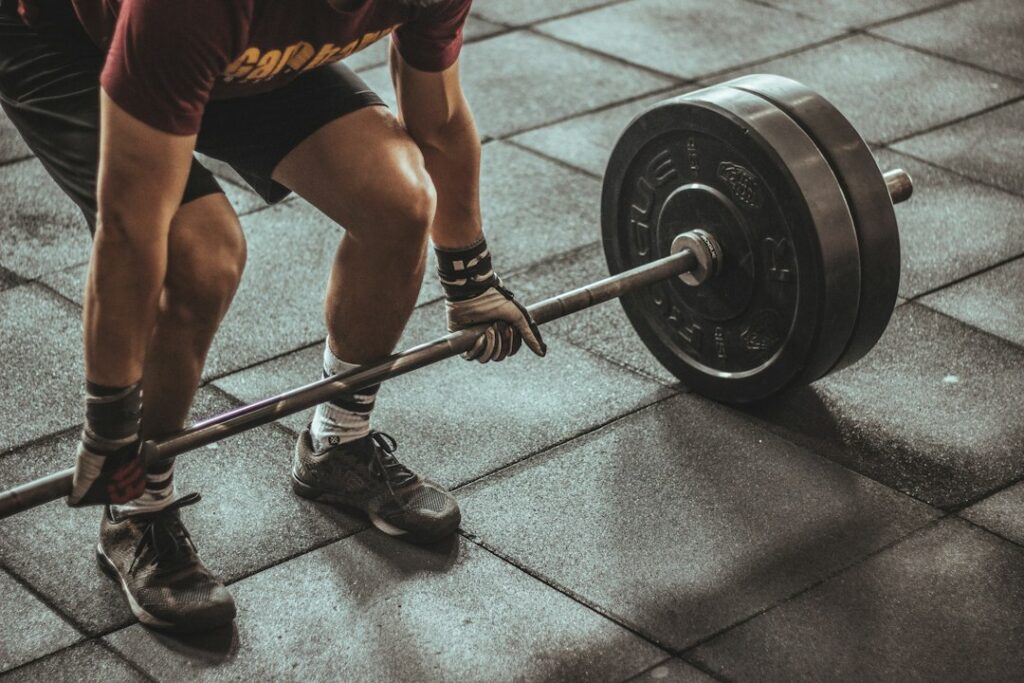
Resistance training is more than a way to increase muscle size. Regular exercises that challenge the muscles—such as lifting weights, using resistance bands, performing body-weight movements, or working against water resistance—can support stronger bones, better movement, improved metabolic health, and greater independence.
For residents of Miami, FL, resistance training can also make everyday activities more manageable, from carrying groceries and climbing stairs to staying steady on wet walkways or remaining active during hot, humid weather.
What does resistance training do for the body?
Resistance training makes muscles work against an external force. That force may come from dumbbells, machines, bands, household objects, body weight, or water.
With consistent practice, the body adapts by improving muscle strength, coordination, and tolerance for physical effort. The goal does not have to be maximum lifting ability. A safe program can focus on maintaining mobility, improving posture, supporting joints, or making daily tasks easier.
Common forms include:
- Squats, lunges, push-ups, and planks
- Resistance-band exercises
- Free weights and weight machines
- Carrying, pulling, or pressing movements
- Water-based strengthening exercises
- Controlled physical therapy exercises
The most useful routine is one that can be performed consistently and adjusted as fitness, age, or health needs change.
Can resistance training help with daily activities?
Yes. Stronger muscles can improve the ability to stand from a chair, climb stairs, lift household items, carry bags, and reach overhead. These improvements are often more meaningful than changes in appearance.
Resistance training also supports physical function as people age. Maintaining leg, hip, back, and core strength may help a person remain independent for longer. Older adults can benefit from strength exercises even if they have never followed a formal exercise program.
For area households in apartments, condominiums, or smaller homes, a full gym setup is not necessary. A clear floor area, a sturdy chair, resistance bands, or a pair of manageable weights may provide enough equipment for a basic routine.
Does it support bone and joint health?
Resistance training places controlled stress on bones and the tissues surrounding joints. Over time, this can help support bone strength and preserve the muscles that stabilize the knees, hips, shoulders, and spine.
Strength work may also reduce the physical demands placed on joints during ordinary movement because stronger muscles can share the workload. It is not a cure for arthritis or osteoporosis, and painful movements should not simply be pushed through. Exercise selection, range of motion, and resistance may need to be adjusted for people with joint disease, previous injuries, or low bone density.
Good technique matters more than using heavy weight. Smooth, controlled repetitions are generally more useful than fast or jerky movements.
Can resistance training help manage body weight?
Resistance training can contribute to weight management by helping preserve or increase muscle tissue. Muscle is active tissue, and maintaining it supports physical capacity while a person changes eating habits or increases overall activity.
It should not be treated as a replacement for walking, cycling, swimming, or other aerobic activity. The strongest overall approach usually combines resistance training with regular movement and adequate recovery. Federal activity guidance recommends muscle-strengthening activity on at least two days each week, alongside weekly aerobic activity.
A person does not need to train every day. Two or three well-planned sessions can be enough to establish a practical foundation.
What are the benefits for blood sugar and heart health?
Resistance training can improve how the body uses glucose and may support better management of blood sugar when combined with appropriate medical care and other forms of physical activity. It can also contribute to healthier blood pressure, cholesterol, body composition, and cardiovascular risk factors.
The effects vary by person and depend on factors such as sleep, nutrition, existing health conditions, medication, and the amount and intensity of training. Exercise is beneficial, but it does not replace prescribed treatment for diabetes, hypertension, or heart disease.
People with chronic conditions can often exercise safely with appropriate modifications. Anyone uncertain about how a condition affects exercise should seek individualized medical guidance before beginning a demanding program.
Does strength training improve balance and reduce fall risk?
It can. Falls are influenced by leg strength, balance, reaction time, vision, footwear, surfaces, and environmental hazards. Resistance training addresses part of that picture by strengthening the legs, hips, trunk, and muscles used to control movement.
For older adults, combining strength work with balance exercises and regular walking may offer broader benefits than strength training alone. This can be especially practical in a warm, active community where people may walk outdoors, use stairs, or move across slick surfaces after rain.
Training should include controlled movements such as sit-to-stands, step-ups, supported split squats, heel raises, and carrying exercises when appropriate. Balance exercises should be performed near a stable support if there is any concern about falling.
How should a beginner start?

A beginner can start with two nonconsecutive days per week. Each session may include one exercise for the major movement patterns:
- Squat or sit-to-stand
- Hip hinge or supported deadlift
- Push movement
- Pull movement
- Step or lunge
- Core bracing or carrying
Begin with one or two sets of approximately eight to twelve controlled repetitions, using a resistance that allows good form. The final repetitions should feel challenging but should not require holding the breath, twisting, or losing control.
Progress gradually by adding a few repetitions, a small amount of resistance, or an additional set—not all three at once. Resting between sessions helps muscles recover and adapt.
In Miami’s heat and humidity, indoor training may be more comfortable during the hottest part of the day. Outdoor sessions require attention to hydration, shade, breathable clothing, and signs of heat illness. Sweat is not a reliable measure of workout quality.
What mistakes should be avoided?
Several common habits can make resistance training less effective or less safe:
- Starting with more weight than the movement can be controlled
- Training the same muscles hard on consecutive days
- Ignoring persistent joint pain
- Holding the breath during difficult repetitions
- Copying advanced routines without adapting them
- Treating soreness as proof of a successful workout
- Neglecting walking, mobility, balance, sleep, or nutrition
Muscle soreness that gradually improves may occur after unfamiliar exercise. Sharp pain, chest discomfort, faintness, unusual shortness of breath, or severe swelling requires stopping the activity and obtaining appropriate medical attention.
Resistance training works best as part of a balanced routine. The practical aim is not simply to lift more, but to build enough strength and control to support health, movement, and independence across the years.