
 See My Latest Article on HelloNation
What should a beginner bodybuilding routine include?
A beginner routine should train all major muscle groups two or three times per week, use manageable weights, and allow enough recovery between sessions. The goal during the first several months is not to lift as much as possible. It is to build consistent technique, work capacity, and strength without creating avoidable injuries.
A simple routine usually includes:
- Squatting or leg-press movements
- Hip-hinge movements, such as Romanian deadlifts
- Horizontal pushing, such as push-ups or chest presses
- Horizontal pulling, such as seated rows
- Vertical pushing, such as overhead presses
- Vertical pulling, such as assisted pull-ups or pulldowns
- Core exercises that resist movement, including planks and dead bugs
Beginners do not need a highly specialized split routine. A full-body schedule performed on nonconsecutive days is often easier to follow and provides frequent practice with the basic movements.
How many days per week should a beginner train?
Three strength sessions per week work well for many new lifters. For example, training on Monday, Wednesday, and Friday provides a recovery day between sessions. Two weekly workouts can also produce progress, especially for people with demanding schedules or limited training experience.
Each workout can last about 45 to 70 minutes, including a short warm-up. More time is not automatically more productive. Extra exercises may increase fatigue without improving results if technique begins to decline.
A practical weekly structure looks like this:
- Monday: Full-body Workout A
- Tuesday: Walking, mobility, or rest
- Wednesday: Full-body Workout B
- Thursday: Light activity or rest
- Friday: Full-body Workout A
- Weekend: Recovery, walking, or optional recreational activity
The following week can begin with Workout B so both sessions receive equal attention.
What does a basic full-body workout look like?
A beginner can start with two alternating workouts. Perform most exercises for two or three sets of approximately eight to twelve controlled repetitions. For exercises involving smaller muscles, such as lateral raises, ten to fifteen repetitions may be more comfortable.
Workout A
- Goblet squat or leg press: 2–3 sets of 8–12 repetitions
- Dumbbell bench press or elevated push-up: 2–3 sets of 8–12 repetitions
- Seated cable row or supported dumbbell row: 2–3 sets of 8–12 repetitions
- Romanian deadlift with dumbbells: 2 sets of 8–12 repetitions
- Dumbbell overhead press: 2 sets of 8–12 repetitions
- Plank: 2–3 sets of 20–40 seconds
Workout B
- Split squat or step-up: 2–3 sets of 8–12 repetitions per side
- Lat pulldown or assisted pull-up: 2–3 sets of 8–12 repetitions
- Machine chest press or push-up: 2–3 sets of 8–12 repetitions
- Hip thrust or glute bridge: 2–3 sets of 10–15 repetitions
- Cable face pull or reverse fly: 2 sets of 10–15 repetitions
- Dead bug: 2–3 sets of 6–10 repetitions per side
The exercise choices can change based on available equipment, joint comfort, and movement skill. A machine is not inferior to a free-weight exercise for a beginner. The most useful option is usually the one that can be performed safely and consistently.
How heavy should the weights be?
Choose a weight that allows the target repetitions with controlled form while leaving roughly two or three good repetitions in reserve. This means the set feels challenging, but the next repetition would not require swinging, bouncing, or losing body position.
For example, if a person can perform twelve repetitions comfortably but could complete fifteen before technique breaks down, the weight is probably appropriate for a set of eight to twelve. If the person cannot perform eight controlled repetitions, the weight is too heavy for that stage.
A beginner should not treat every set as a test of maximum strength. Lifting to complete muscular failure can create excessive soreness and may make the next workout less productive. Consistent, technically sound repetitions are more useful than occasional all-out efforts.
How should a beginner progress?
Progressive overload means gradually asking the body to do slightly more work over time. It does not require adding weight every session.
A simple method is the repetition range. If an exercise calls for two or three sets of eight to twelve repetitions, keep the same weight until all sets reach twelve repetitions with good technique. Then increase the load by the smallest practical amount and return to the lower end of the range.
Progress can also come from:
- Adding one repetition to a set
- Performing an additional set when recovery is good
- Improving range of motion
- Using slower, more controlled repetitions
- Reducing unnecessary rest while maintaining form

Keep a written training log with the exercise, weight, repetitions, and any notes about discomfort or fatigue. This makes progress easier to evaluate than relying on memory.
How long should rest periods be?
Rest for about two minutes between demanding compound exercises and approximately one minute between lighter movements. Beginners may need additional rest, particularly after leg exercises or during hot, humid conditions.
Miami’s warm climate can increase sweating and perceived exertion, especially in poorly ventilated spaces or during outdoor training. Drink fluids throughout the day, avoid starting a workout dehydrated, and allow extra time to cool down. Outdoor sessions are generally more comfortable during cooler parts of the day, but heat management remains necessary year-round.
Rest is not wasted time. It helps restore strength so the next set can be performed with better control.
What should the warm-up include?
A warm-up should raise body temperature and prepare the joints and movements used in the workout. Five to ten minutes of easy cycling, walking, or rowing followed by several bodyweight repetitions is usually enough.
Before a lower-body session, a beginner might perform:
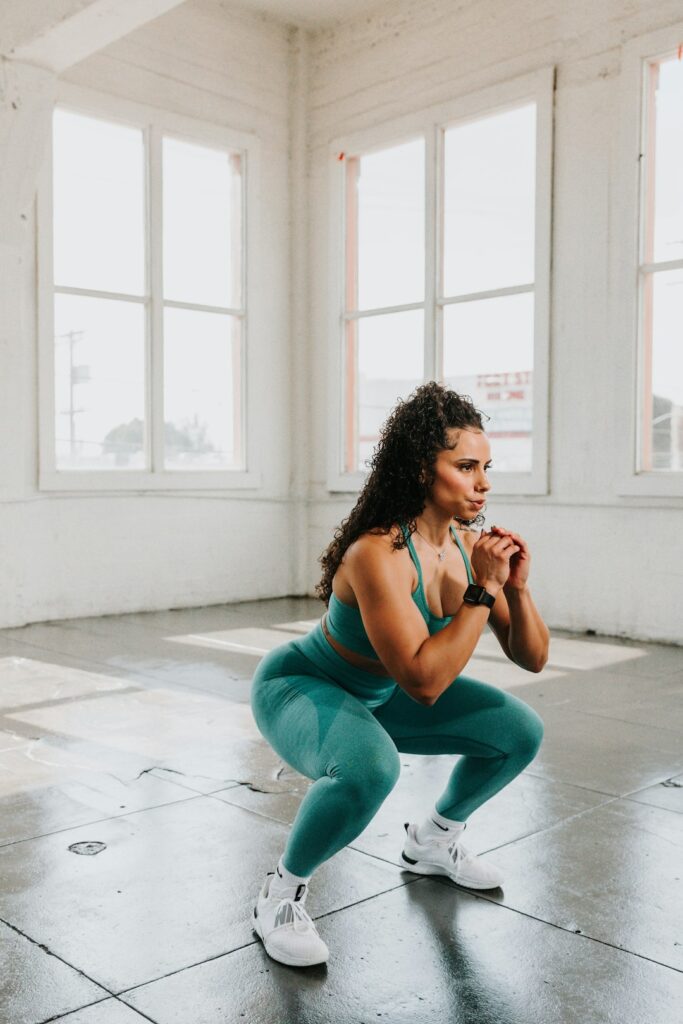
- Bodyweight squats
- Hip hinges
- Reverse lunges
- Gentle ankle and hip movements
Before an upper-body session, useful choices include:
- Arm circles
- Light band pull-aparts
- Easy push-ups against an elevated surface
- Several light practice sets of the first exercise
Long static stretching is not required before lifting. It may be more comfortable after training or during a separate mobility session.
How do nutrition and recovery affect results?
Muscle growth depends on training plus adequate food, sleep, and recovery. Beginners should focus on regular meals that contain protein, carbohydrates, fruits or vegetables, and enough total calories to support activity.
Protein-rich foods may include eggs, poultry, fish, dairy products, beans, lentils, tofu, and other options that fit personal preferences. Carbohydrates can help provide energy for training, while fluids and electrolytes become more relevant after heavy sweating.
Seven to nine hours of sleep is a useful general target for adults, although individual needs vary. Schedule demanding workouts around work, school, family responsibilities, and other activities rather than forcing intense sessions when severely sleep-deprived.
Soreness is common after a new routine, but sharp pain, joint instability, numbness, chest discomfort, unusual shortness of breath, or persistent pain deserves attention. People with a known medical condition, recent injury, or significant symptoms should obtain individualized medical guidance before beginning strenuous exercise.
What mistakes should beginners avoid?
The most common problems are doing too much too soon, changing programs constantly, and treating soreness as proof of an effective workout. Beginners also often neglect pulling exercises, core control, and leg training while focusing heavily on mirror muscles.
Avoid copying advanced routines that use many exercises and high training volume. A routine is working if strength, movement quality, and tolerance gradually improve. It does not need to leave a person unable to move normally the next day.
Consistency for several months matters more than finding a perfect exercise selection. A straightforward plan, sensible progression, adequate recovery, and attention to heat and hydration provide a strong foundation for building muscle safely.